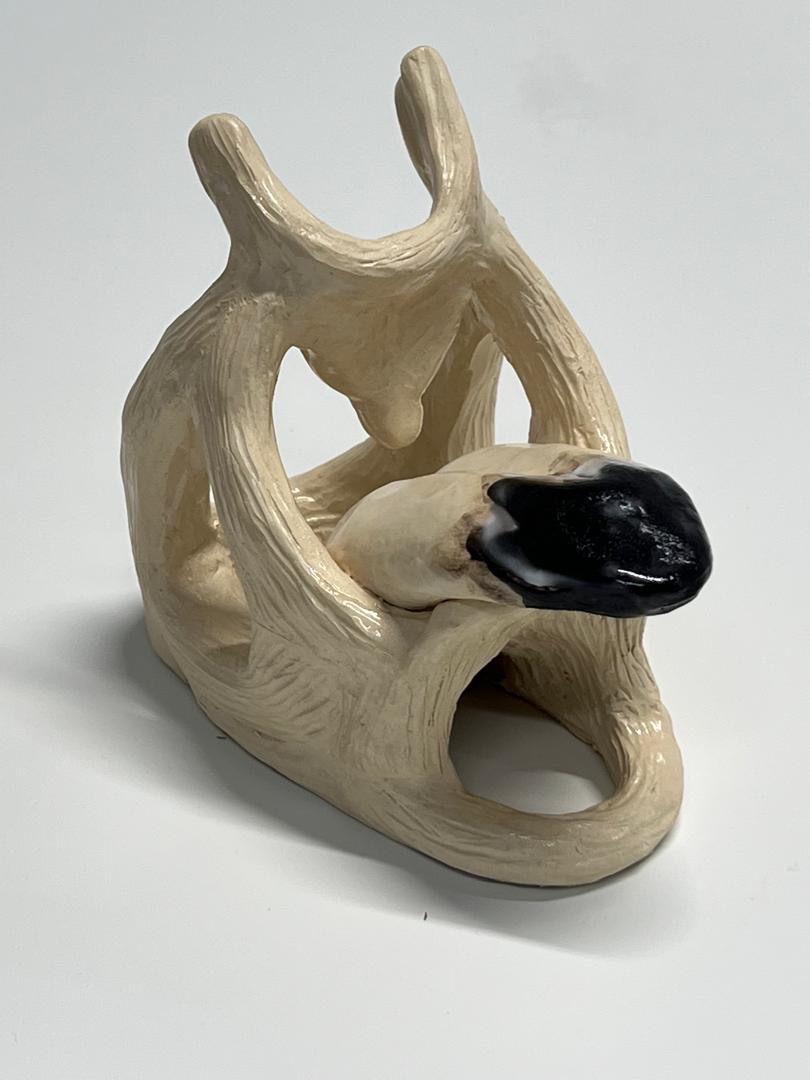
Project Room: Algeria
F18
Standing in front of the image
With the support of la Saison Méditerrannée 2026, l’Institut Français d’Algérie, la Ville de Paris, & Menart Friends
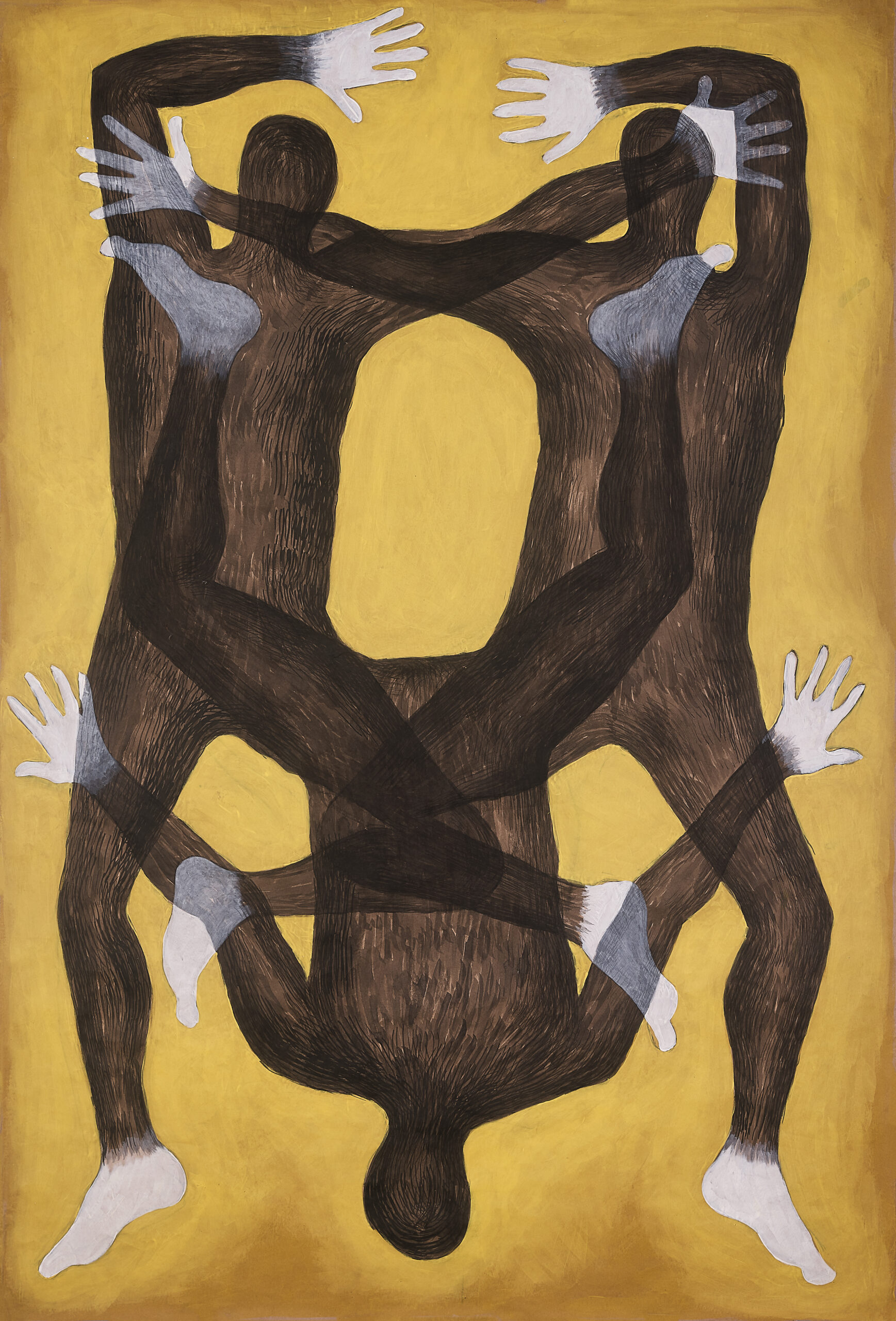
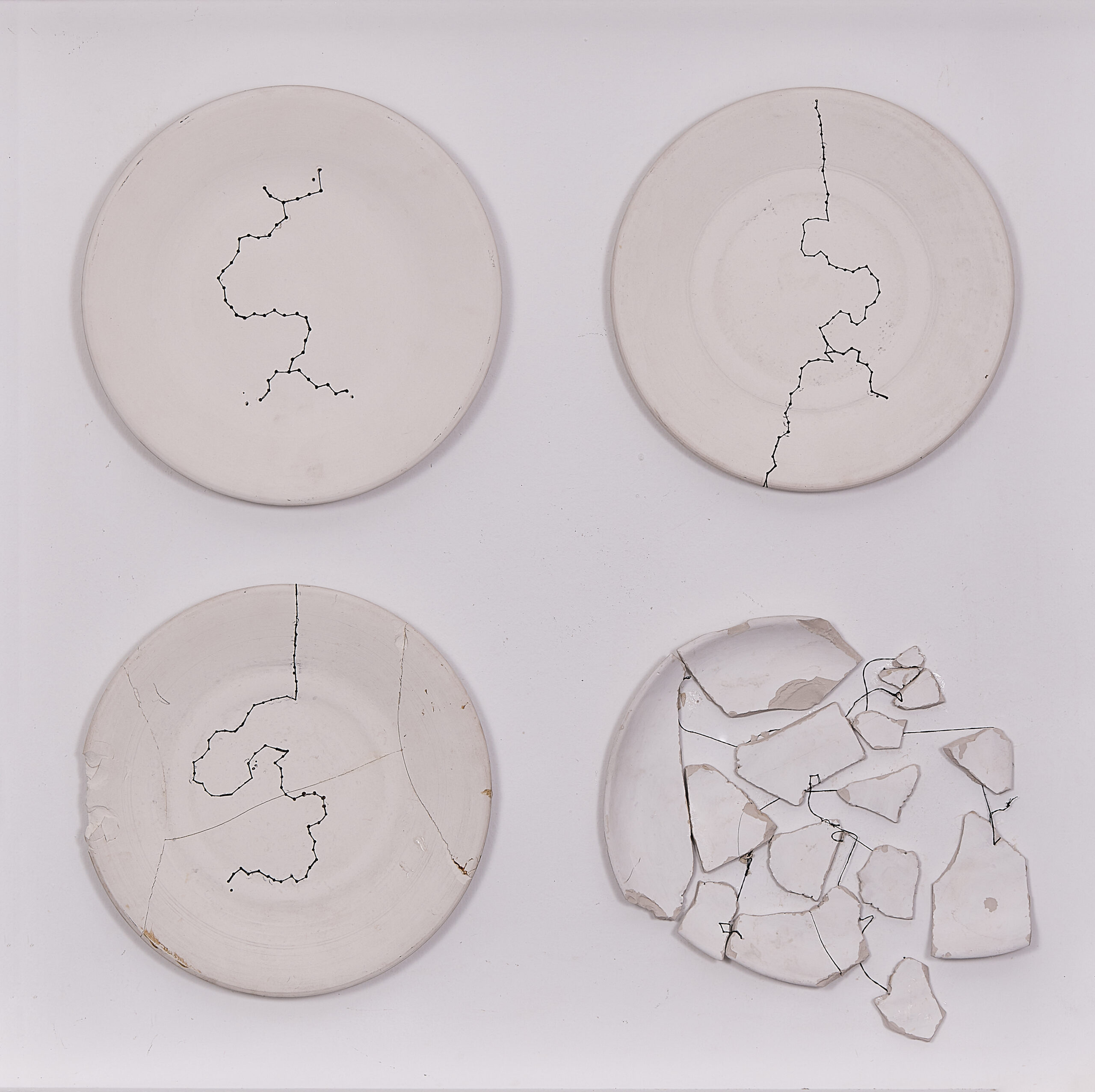
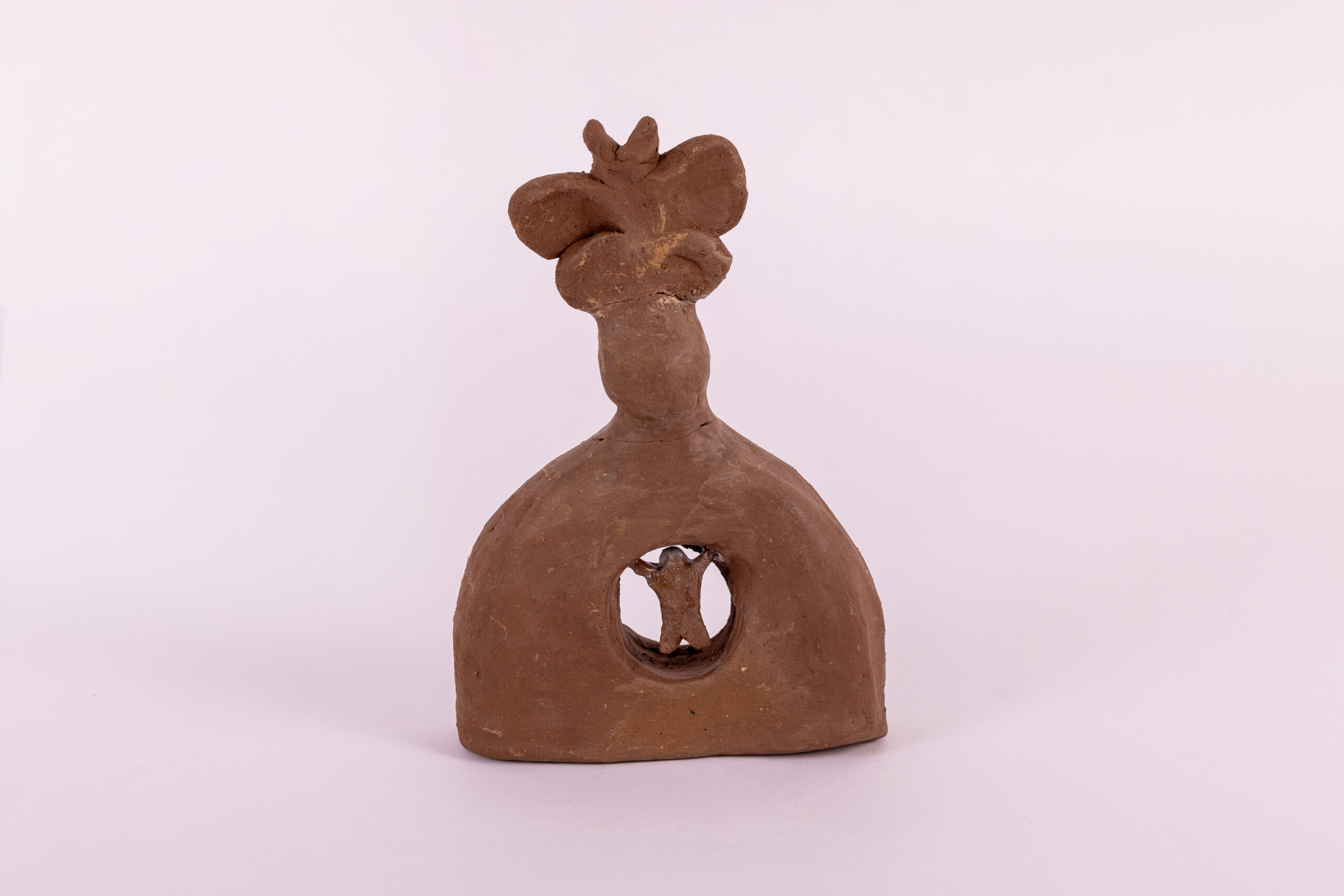
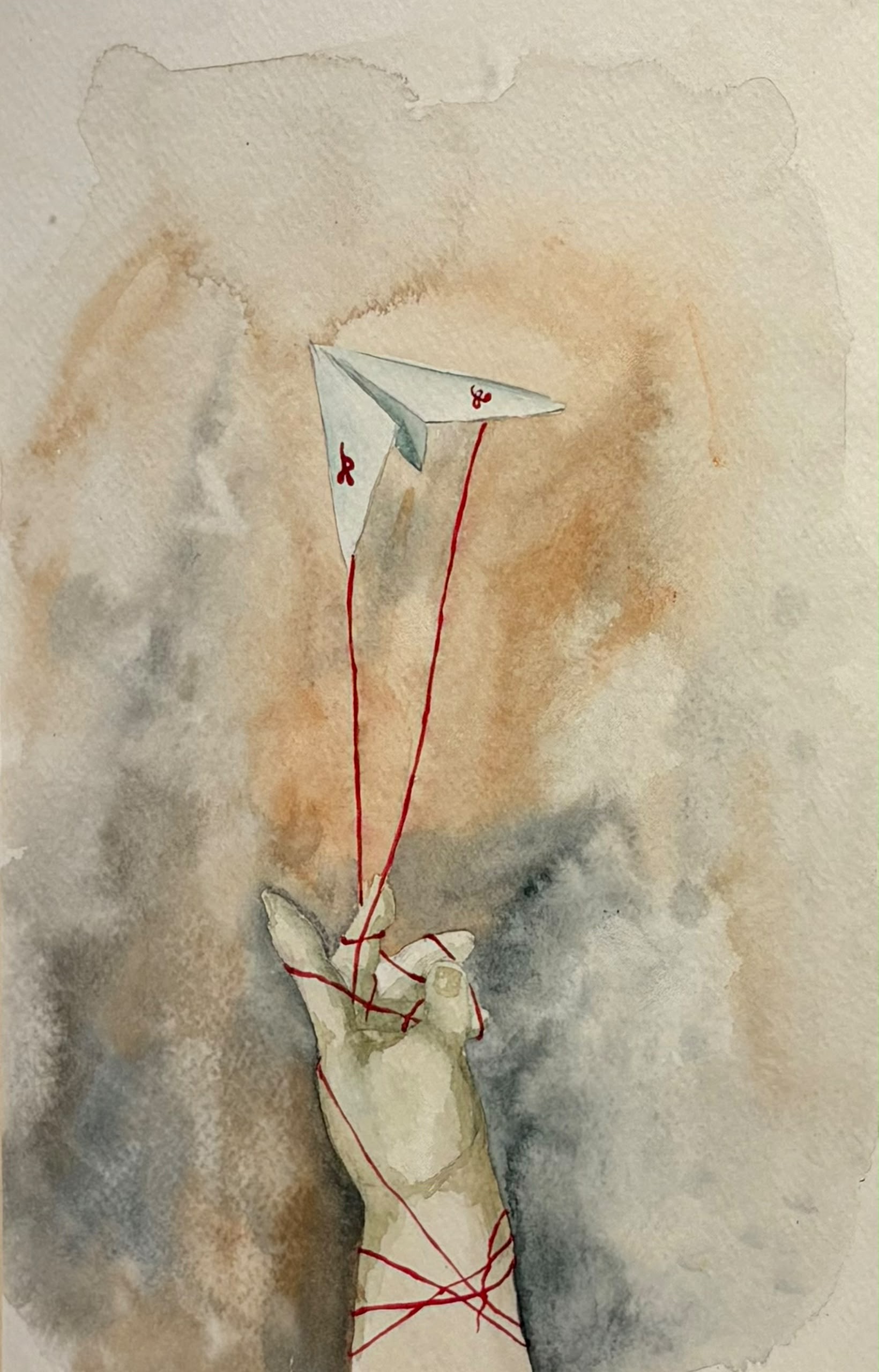
Exhibition: Foued Bouatba, Naim Boukir, Rima Djahnine, Mounir Gouri, Serine Hamami, Abdelmohcene Hamel, Houssem Harrak, Rima Rezaiguia, Hakim Rezaoui, Achraf Saadi, Fella Tamzali, Sofiane Zouggar
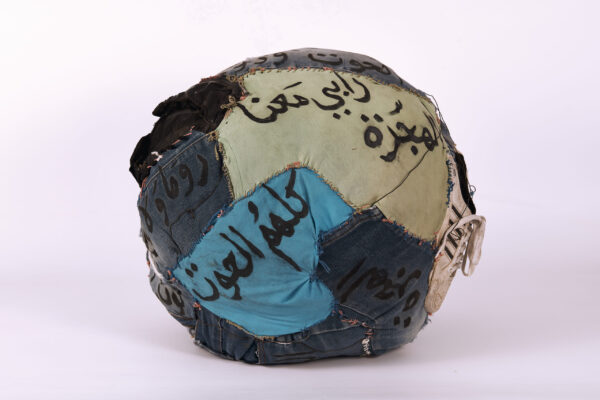
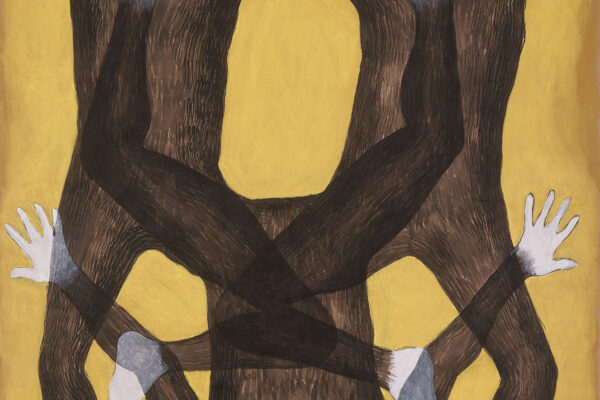
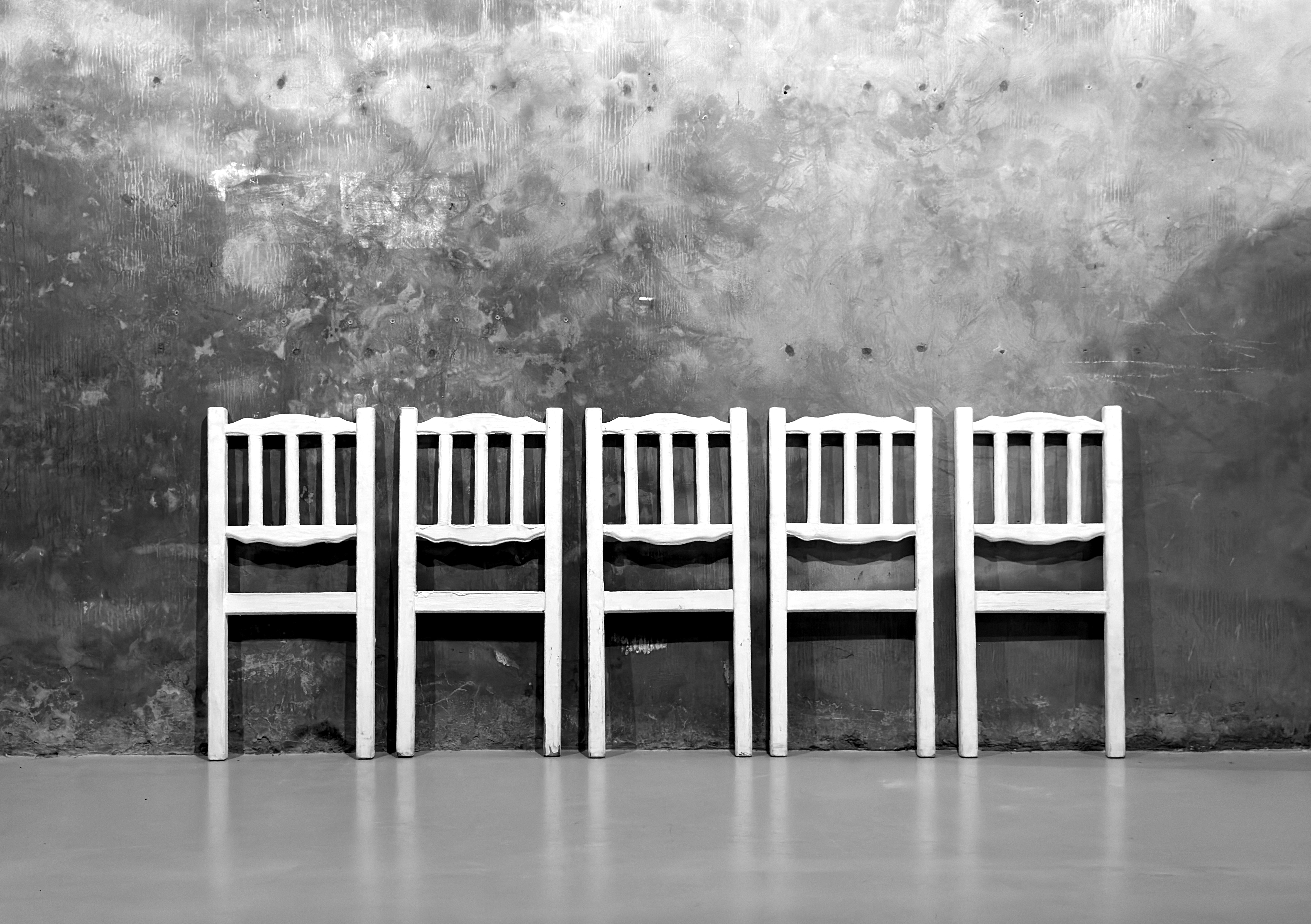
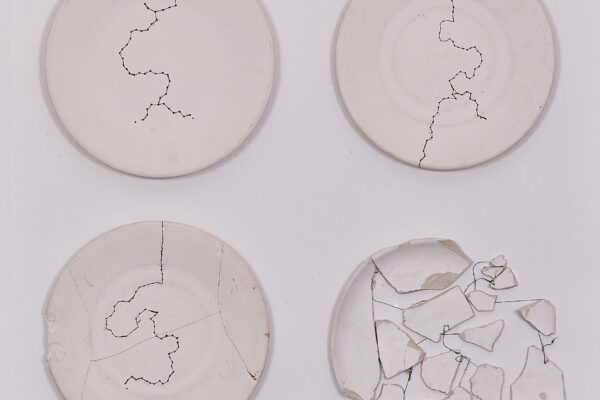
The audience is the recipient of the works. In front of each one, in the silence of its truth.
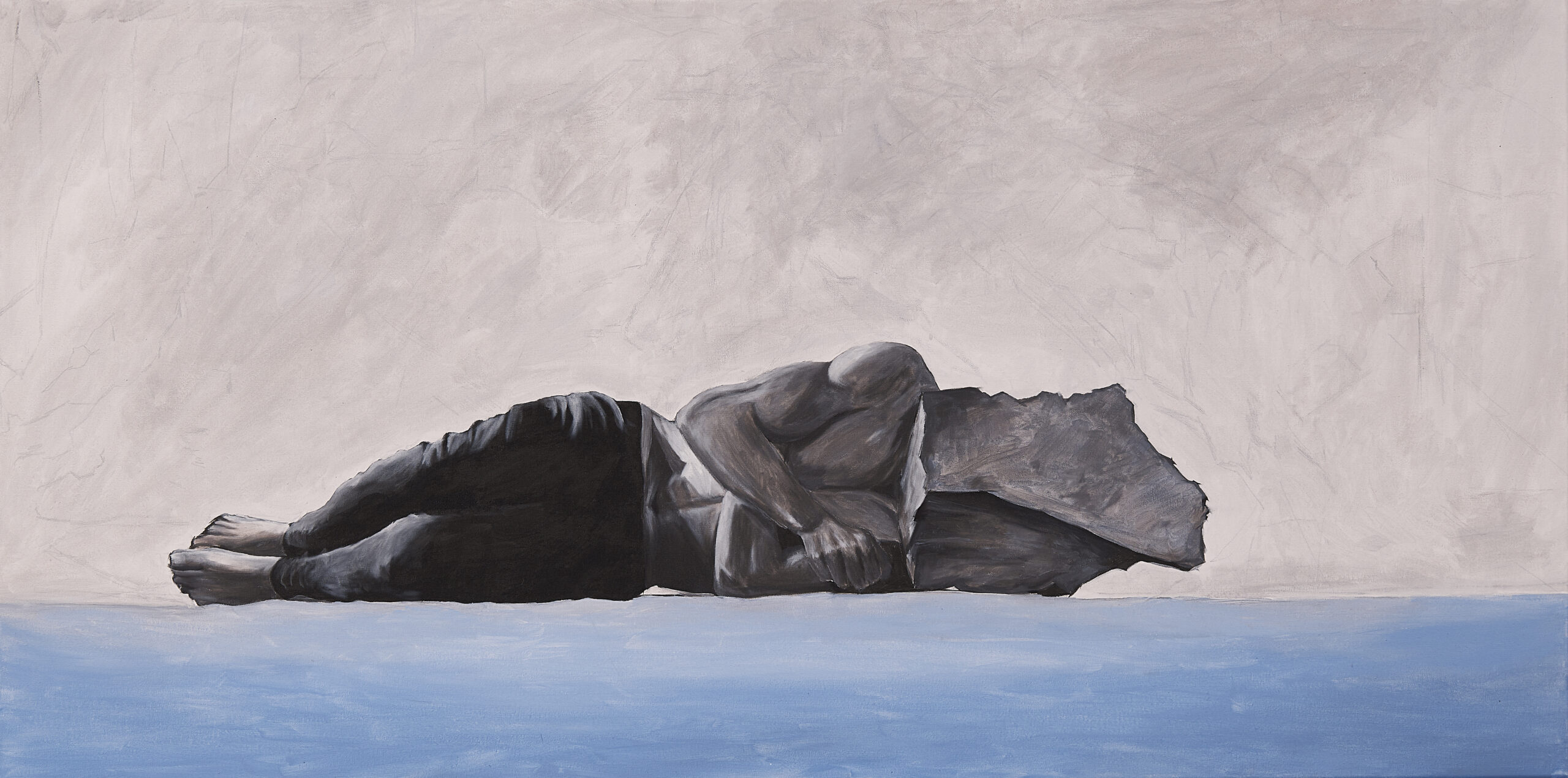
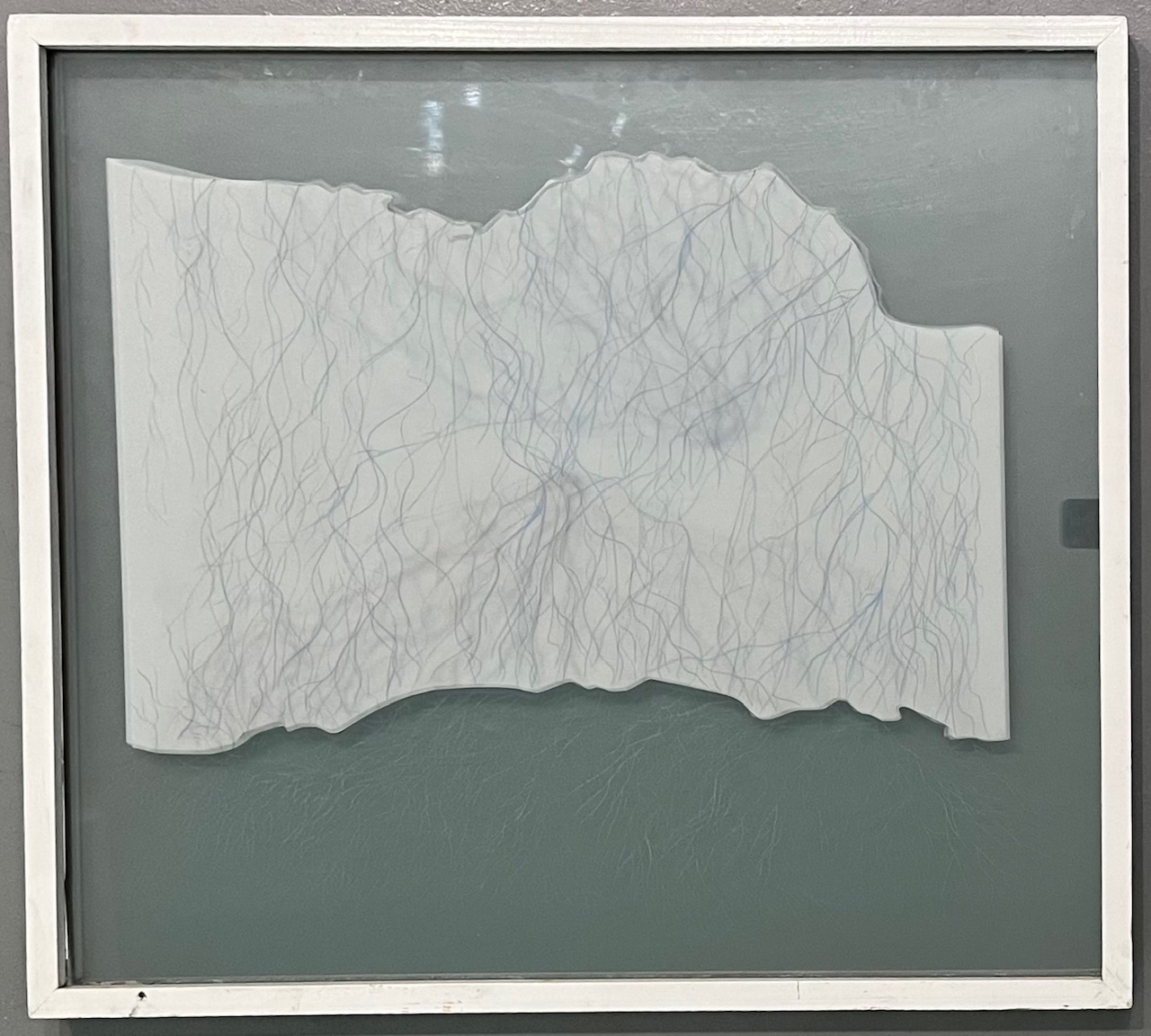
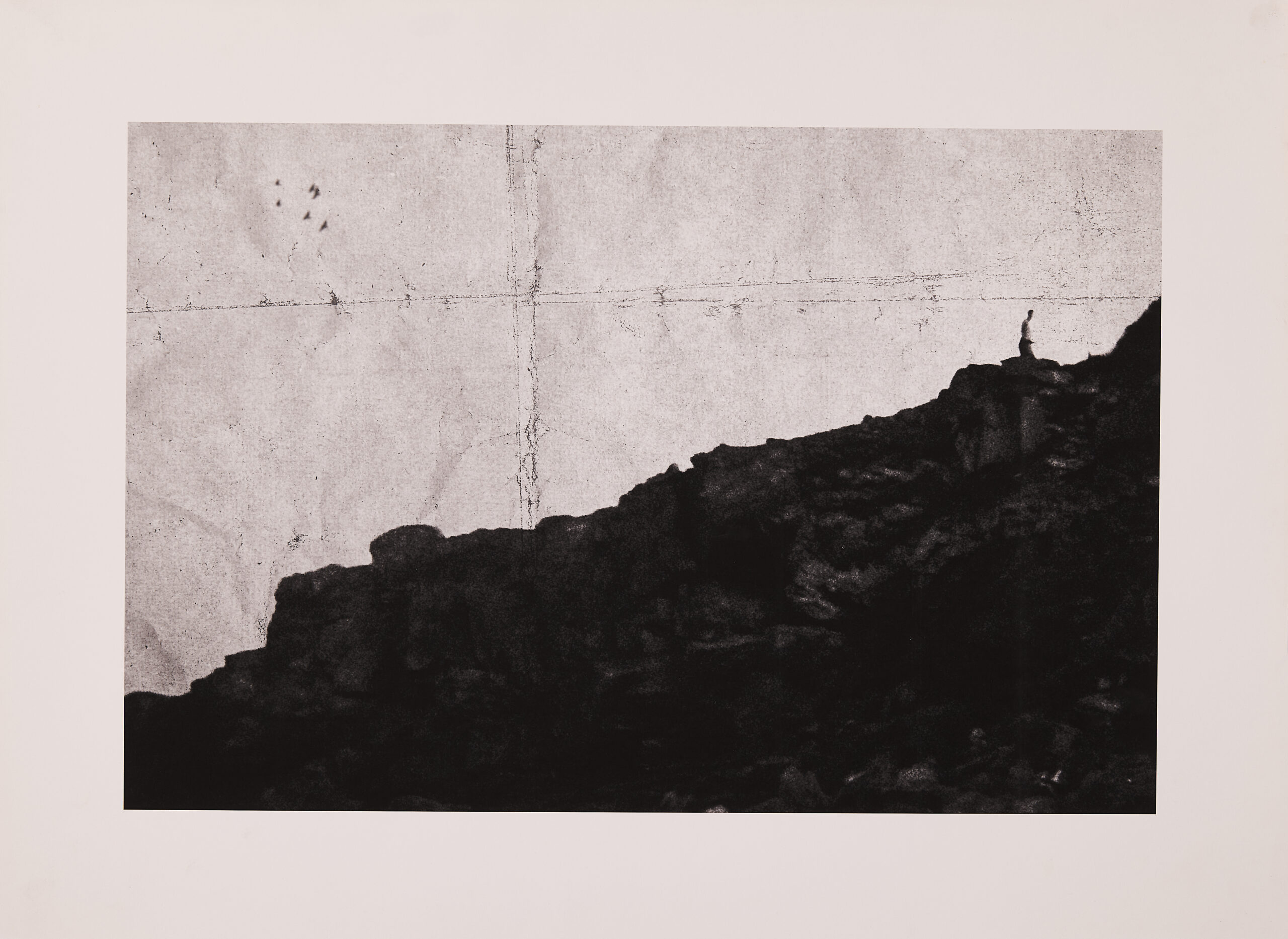
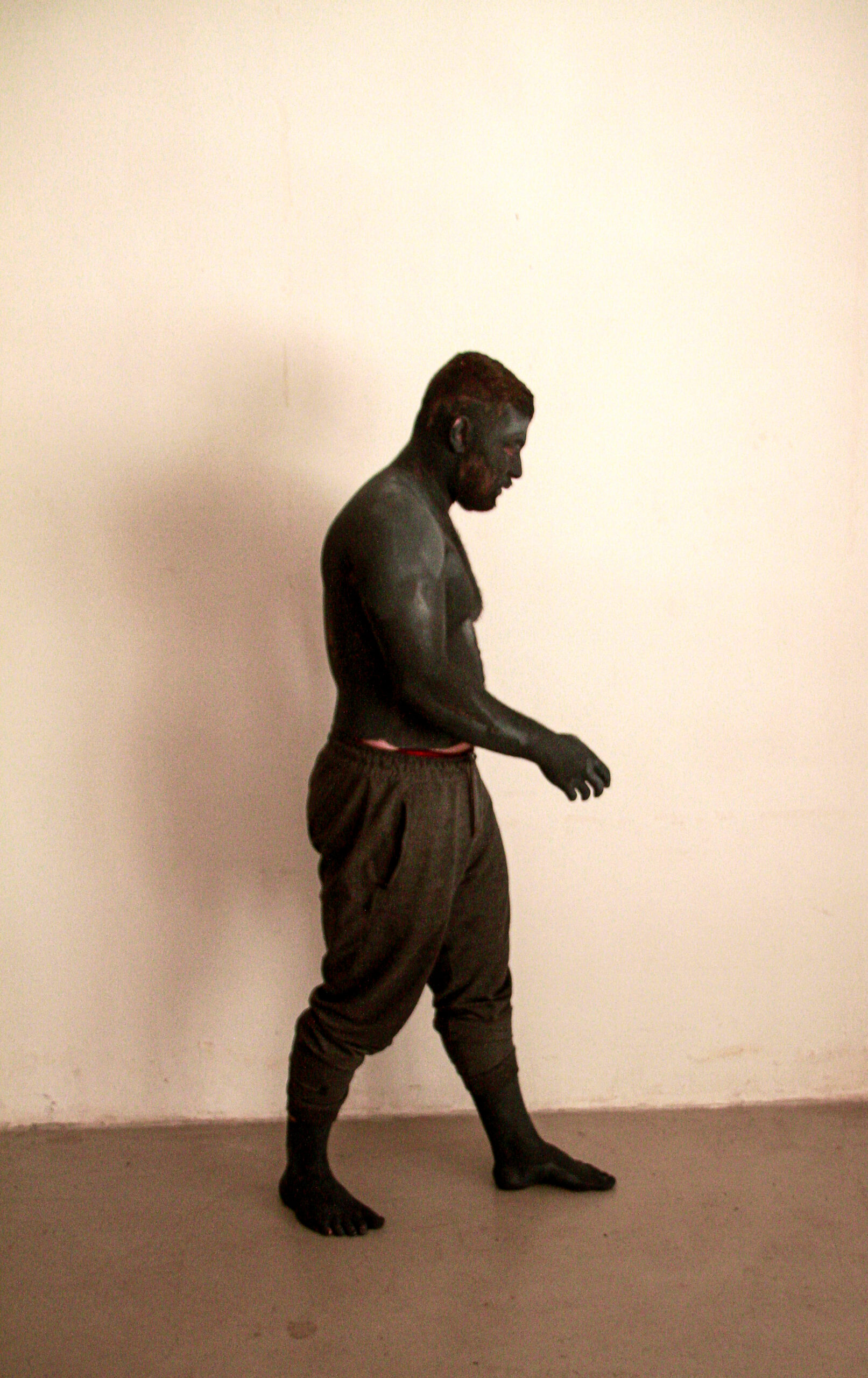
Standing in front of the image, we might borrow Assia Djebar’s words on discovering Baya: For a long time, when faced with any painting, I could not truly stand before it, I felt held back by an irreparable zone of shadow. The idea is to bridge this zone of shadow, that of the artist and that of the viewer. Here, this speaks to the making of the exhibited works. All were created by emerging artists living and working in Algeria, though some have since left the country. These are artists residing in the same place, a fact of no small significance, often following the still-visible footsteps of their predecessors; some also returned. The place, Les Ateliers Sauvages, is an independent art center in the heart of Algiers.
Where is home? Where do we belong? Where is the place where we are truly ourselves, at home? For the duration of a residency, the Ateliers became this dwelling place for artists seeking a workspace, and so much more. For them, the path to art has been, and remains, a long journey fraught with pitfalls, if not battles, through colonial and post-colonial history, collective and family memory, fratricidal war, and the quest for freedom. All with solitude as a constant companion.
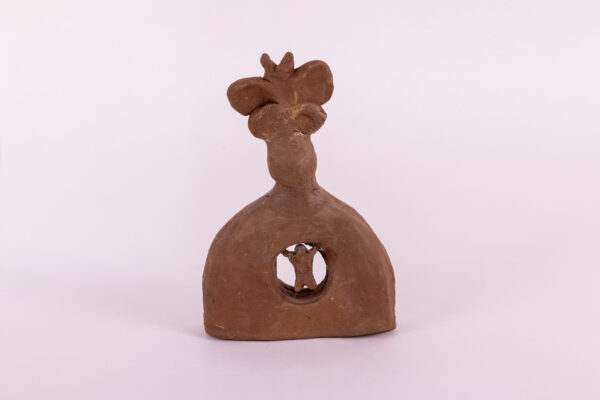
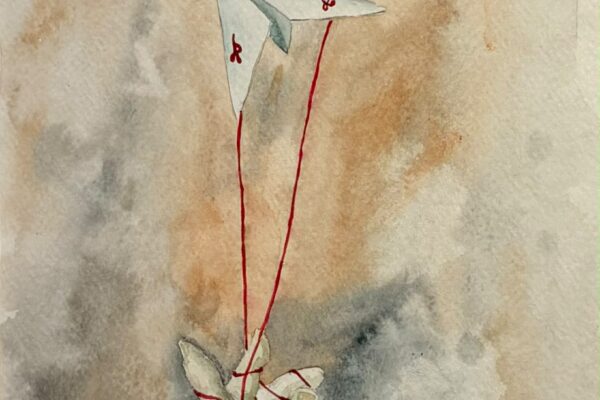
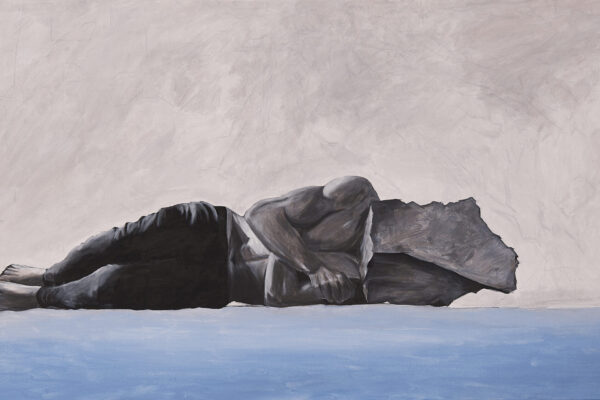
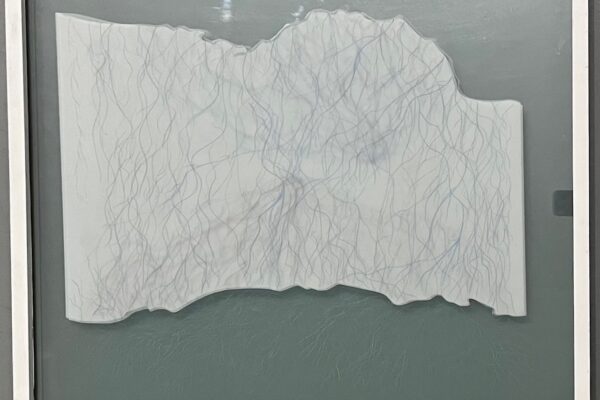
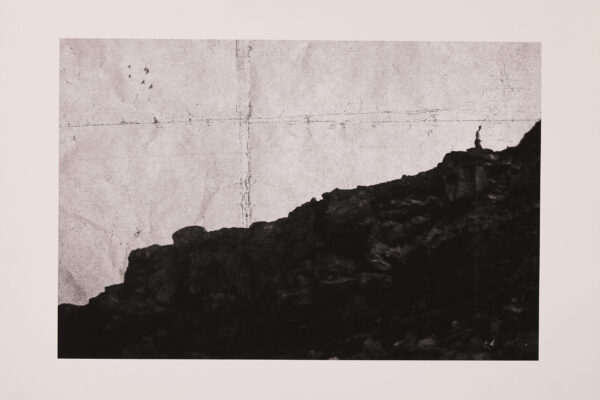
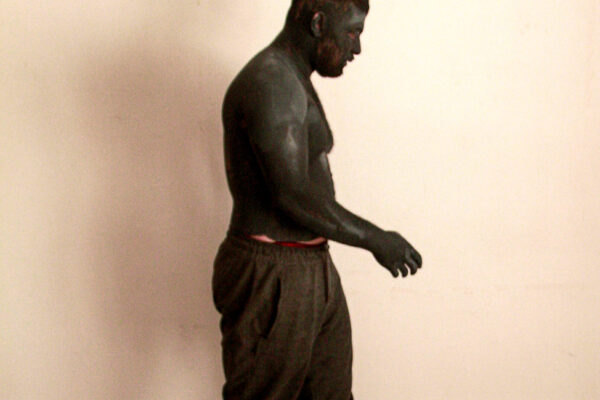
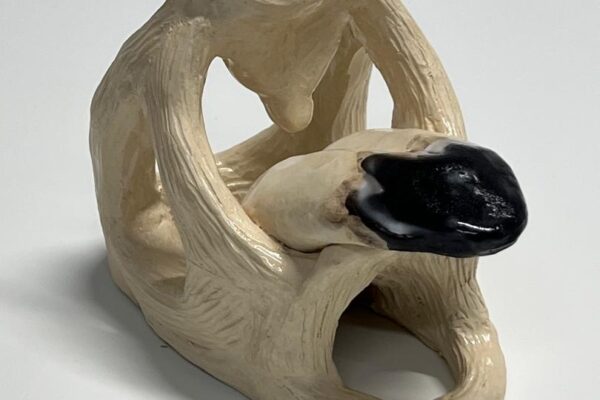
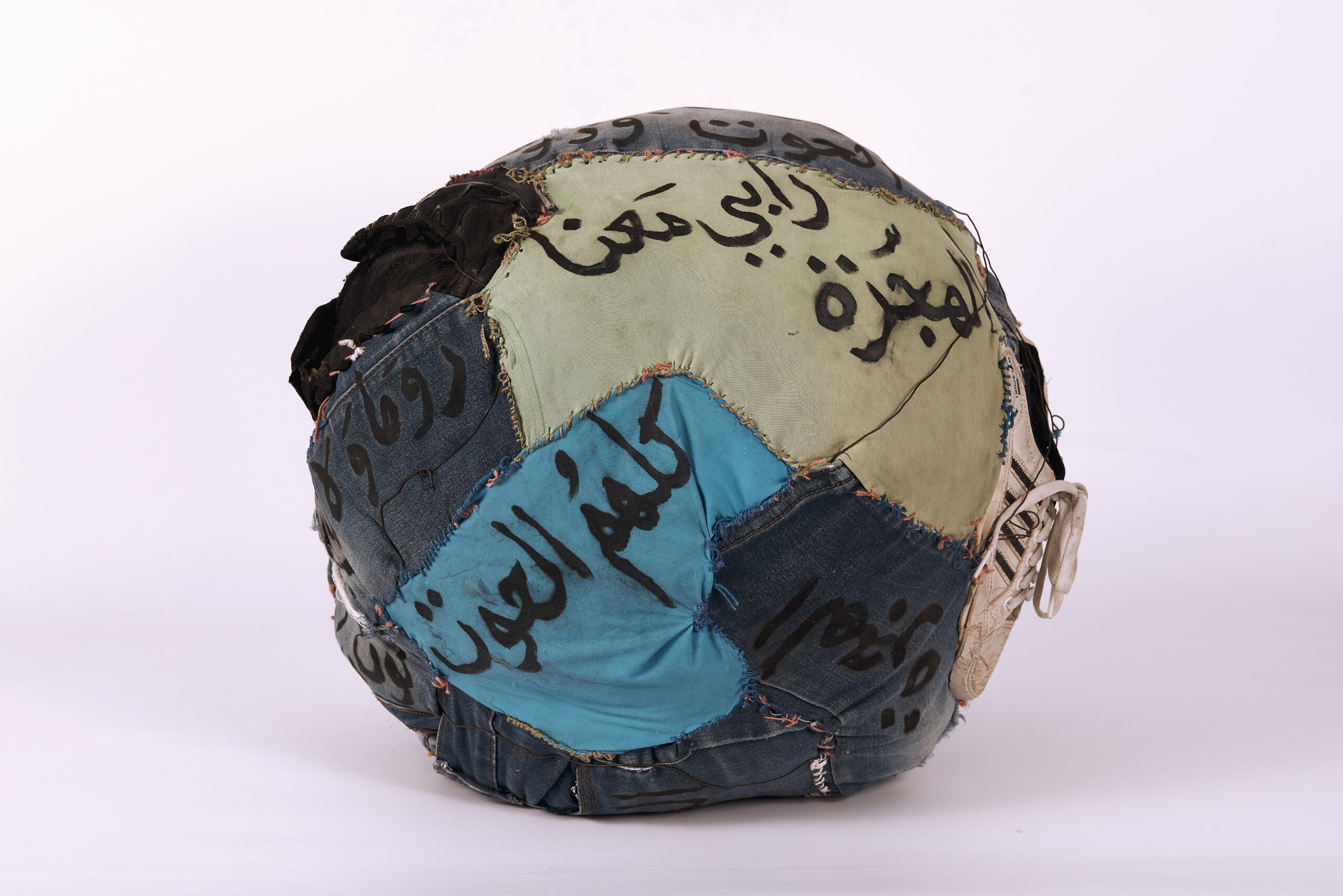
It all began in the first decade of the 2000s. The artists exhibited here had spent their teenage years during the dark days of the civil war, the 1990s, a period followed by a surge in departures, clandestine or otherwise. Moving from one work to the other reveals a map of the “perceptible”, a landscape of lived experience, capturing an era, or at least a moment in time and a specific generation. The diversity of the pieces, in terms of both subject matter and style, sheds light on the conditions of their creation, first of all the creative freedom regarding choice of subject and mode of expression.